Find and reacquire targets faster with binoculars
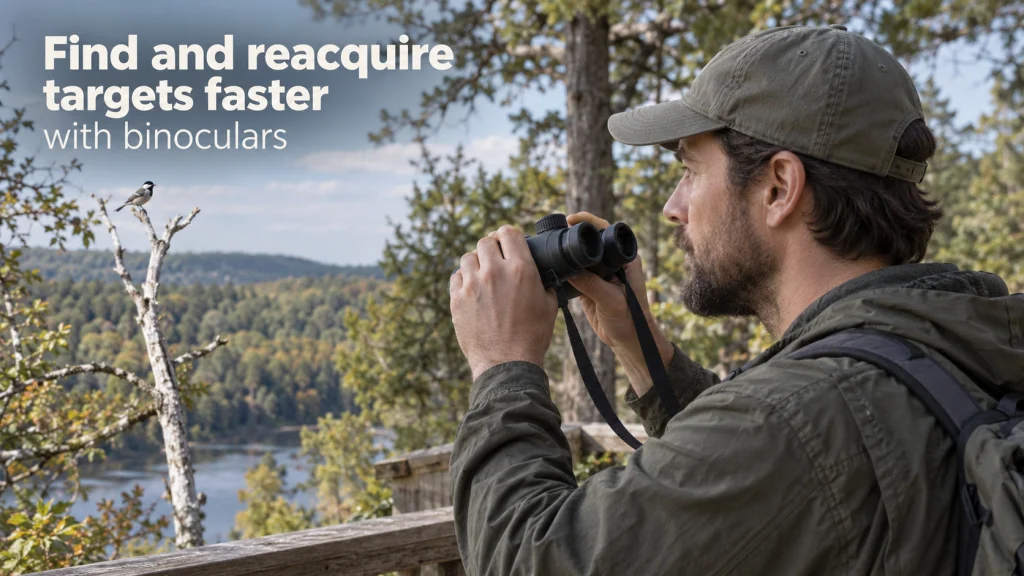
How To Find Objects With Binoculars

Finding a subject through binoculars is usually harder than focusing once the subject is already in view. The reliable approach is to locate the subject with your naked eyes, keep your head and gaze aligned with it, raise the binoculars into that same line of sight, and use a nearby landmark when the subject is
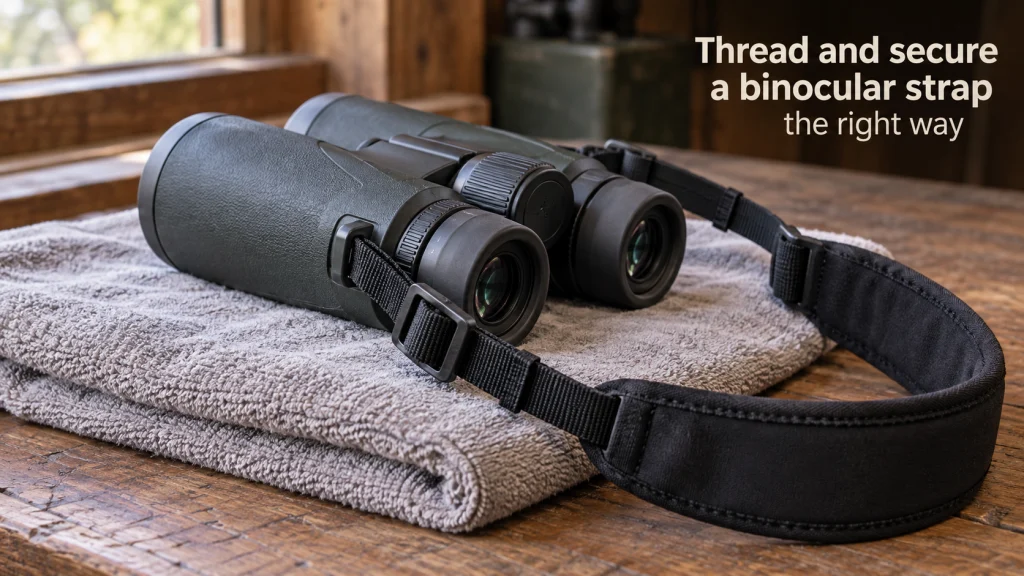
Thread and secure a binocular strap the right way

How To Attach Binocular Strap

A binocular neck strap is only secure when both sides follow the attachment path intended for that binocular and strap, the webbing is flat, and the buckle return path is fully seated. The safest starting point is the supplied strap, the binocular’s own strap lugs, and the exact manual or manufacturer diagram when the hardware

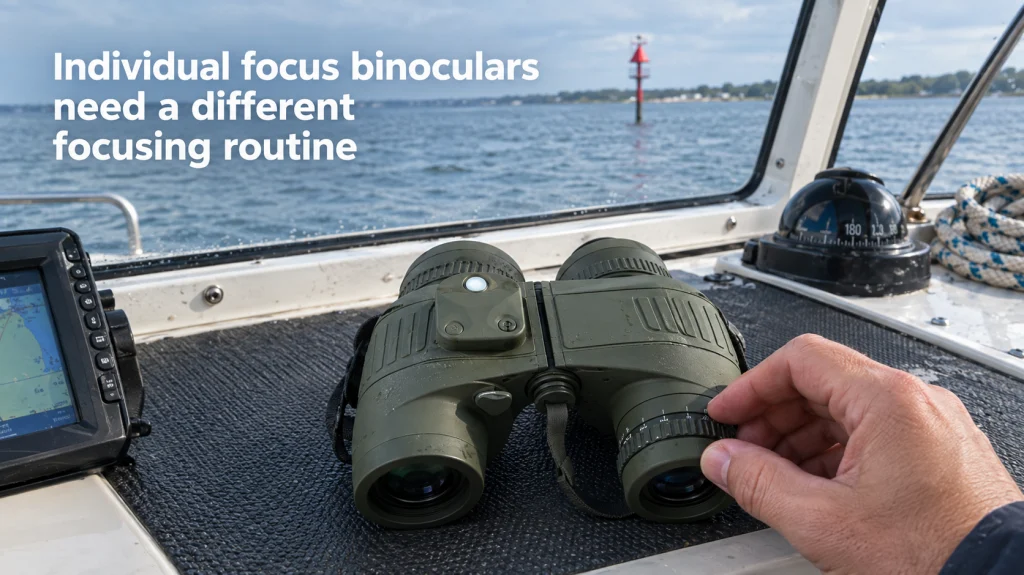
Individual focus binoculars need a different focusing routine

How To Focus Individual Focus Binoculars

Individual focus binoculars use a separate focusing control for each eyepiece, so the familiar center wheel routine does not apply. The reliable setup is to establish eyecup position and interpupillary distance first, focus one optical channel on a clear target, focus the other on the same target, and then verify the combined view. If the

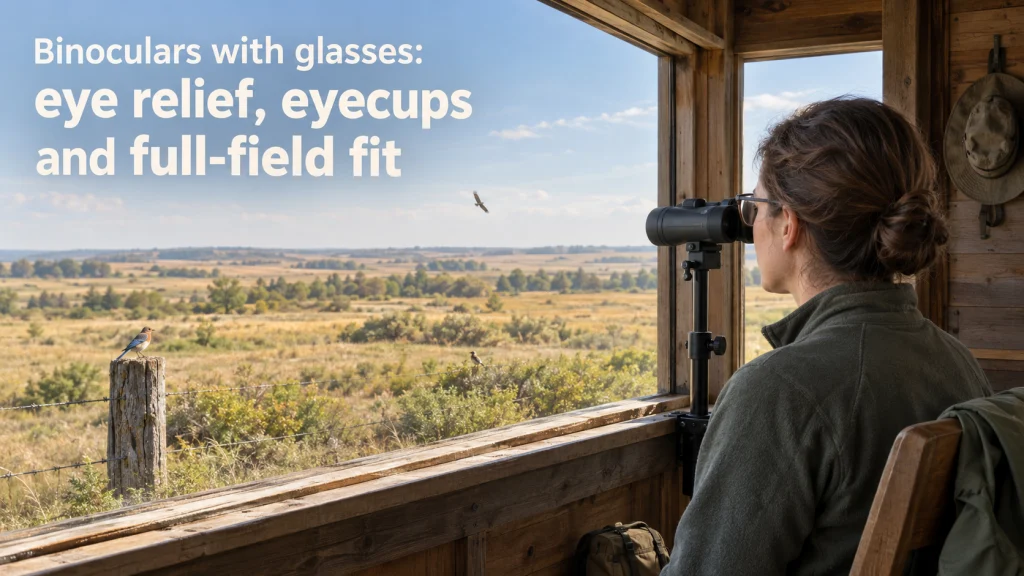
Binoculars with glasses: eye relief, eyecups and full-field fit

Using Binoculars With Glasses

Using binoculars with glasses works best when you treat the eyewear as part of the setup rather than something to work around. Start with the eyecups retracted or folded, reset the interpupillary distance while your glasses are on, and then set the diopter for left-right focus balance. If the field still looks clipped after those

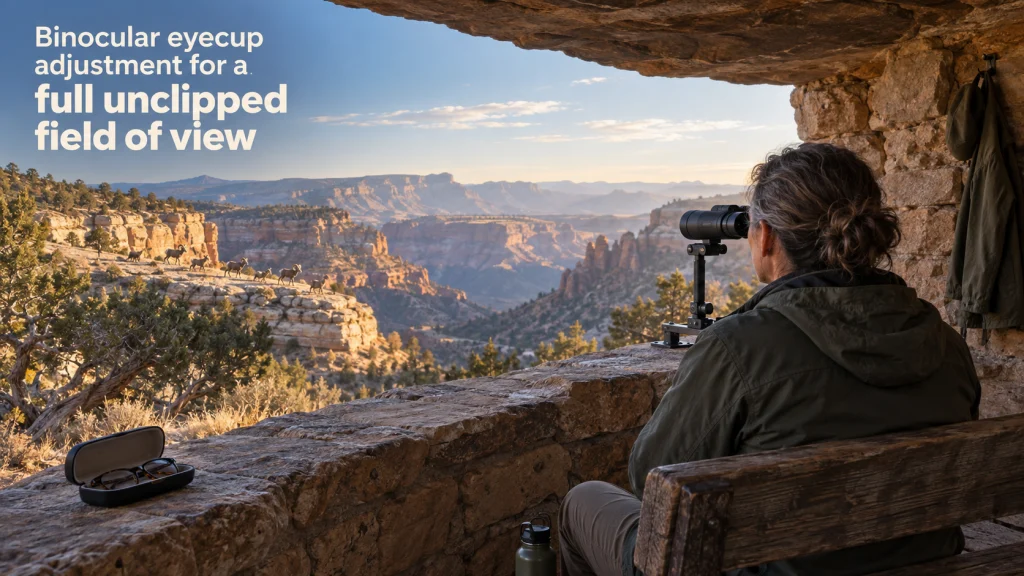
Binocular eyecup adjustment for a full unclipped field of view

Binocular Eyecup Adjustment

Binocular eyecup adjustment is about placing your eyes at a usable distance behind the eyepieces, not changing focus. A good setting lets you see a complete, stable field without black rings, kidney-shaped shadows, or a clipped edge appearing whenever your head moves slightly. Fully extended and fully retracted positions are useful starting points, but twist-up

How to adjust interpupillary distance on binoculars until two fields become one

How To Adjust Interpupillary Distance On Binoculars

Interpupillary distance controls how far apart the two eyepieces sit relative to your eyes, and the useful setup goal is simple: both optical fields should overlap into one clean circular view. If you still see two circles, crescent shadows, or uneven black edges, adjust barrel spacing before blaming focus or internal alignment. Eyecup position can

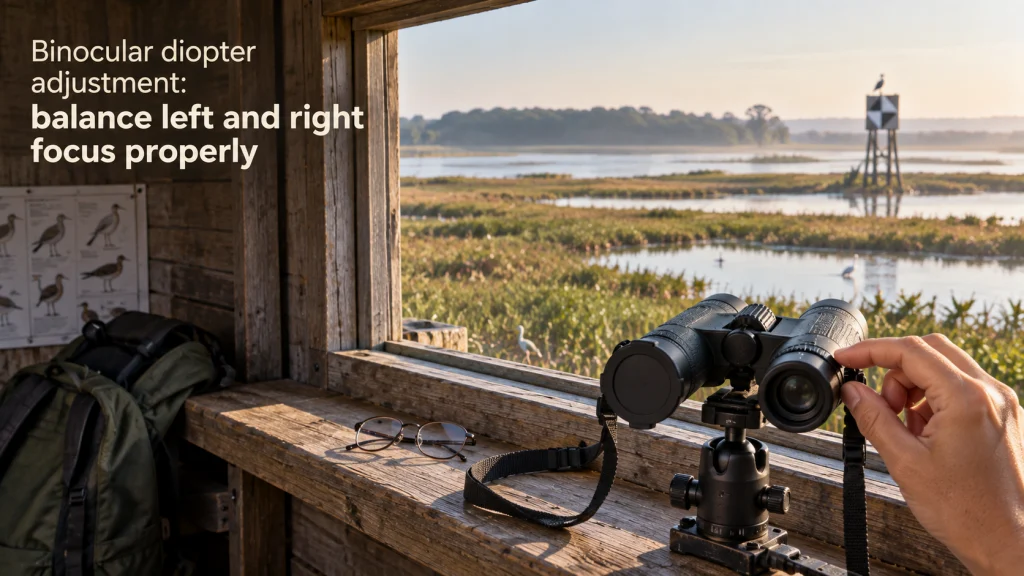
Binocular diopter adjustment: balance left and right focus properly

Binocular Diopter Adjustment

A correct binocular diopter adjustment balances the focus difference between the two optical channels for one user, so the center focus can handle normal distance changes afterward. The useful setting is personal, so zero is only a reference mark, not a universal target. The control may sit on either eyepiece or be integrated near the

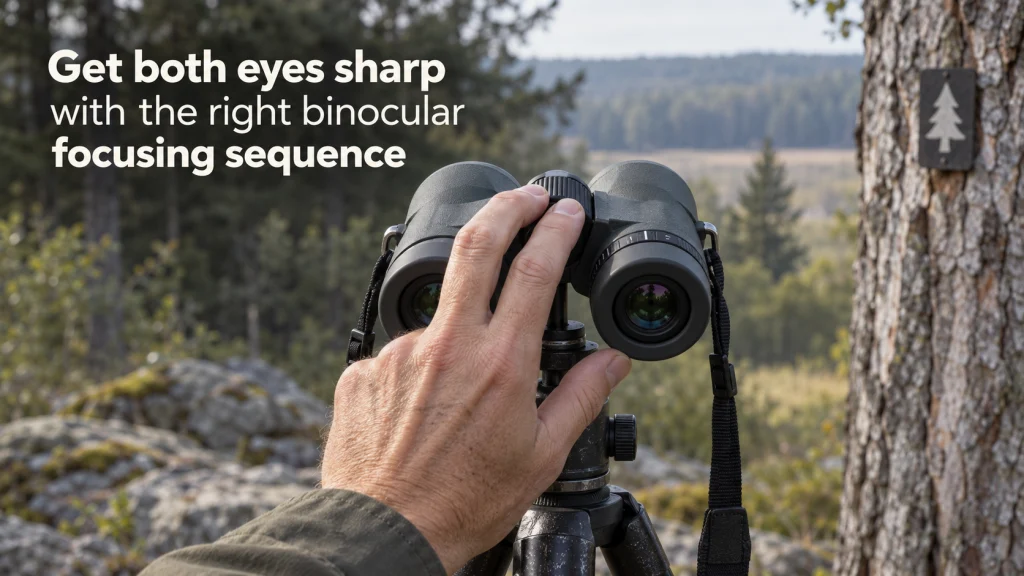
Get both eyes sharp with the right binocular focusing sequence

How To Focus Binoculars

Getting a sharp view through center-focus binoculars requires two different adjustments to do two different jobs. The center focus sets the viewing distance, while the diopter balances the optical channels for the viewer using the binoculars. A brief eyecup and interpupillary-distance check should come first, because poor eye position can look like a focus problem.

Set up binoculars in the right order: fit, focus, diopter and eyecups

Binocular Setup

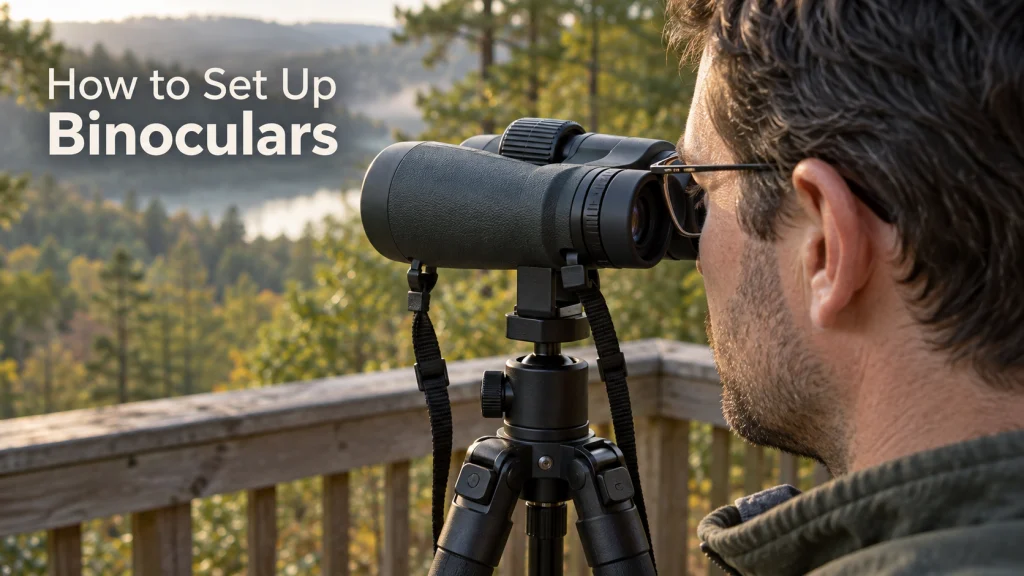
Good binocular setup starts with matching the binocular to your eyes before you chase sharpness with the focus wheel. Eyecup position, interpupillary distance, center focus, and diopter each solve a different problem, and the exact control layout can vary by model. Once the personal settings are established, normal viewing should require far less adjustment. The