Binocular Apparent FOV Calculator

BINOCULAR TOOLS / APPARENT FIELD OF VIEW Estimate how wide the view appears through binoculars. Enter binocular magnification and real angular field of view. Calculate apparent field of view with the ISO-described method, and see how it differs from the older multiplication shortcut. TWO NUMBERS FROM THE SPECS Enter magnification and real FOV For an
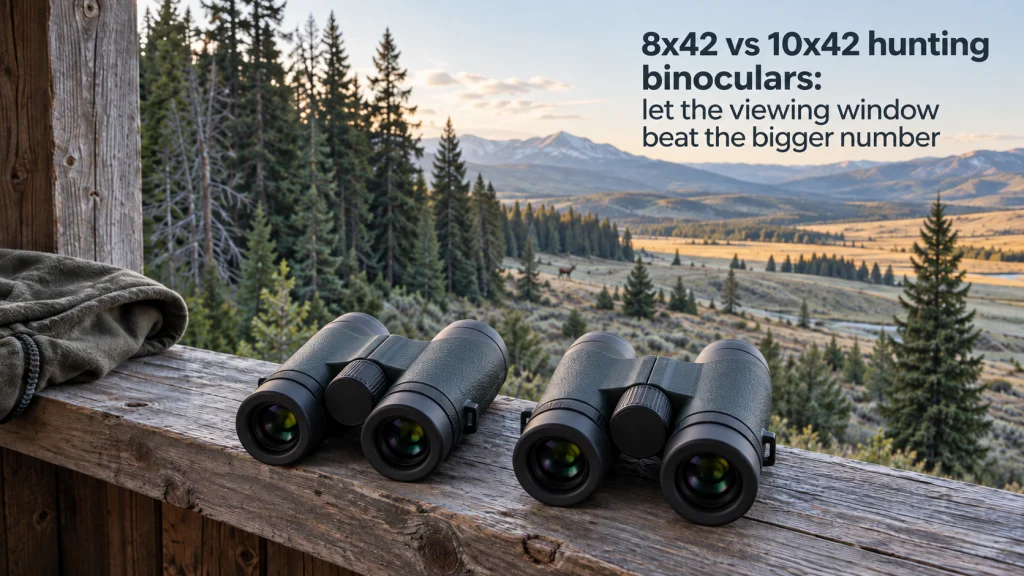
8×42 vs 10×42 hunting binoculars: let the viewing window beat the bigger number

8X42 Vs 10X42 Binoculars For Hunting

An 8×42 versus 10×42 hunting choice is not a contest between a weak option and a strong one. With the same 42 mm objective, 10x gives more image scale, while 8x often gives a wider viewing window and a larger geometric exit pupil. A current ZEISS comparison within one product family shows why exact specifications

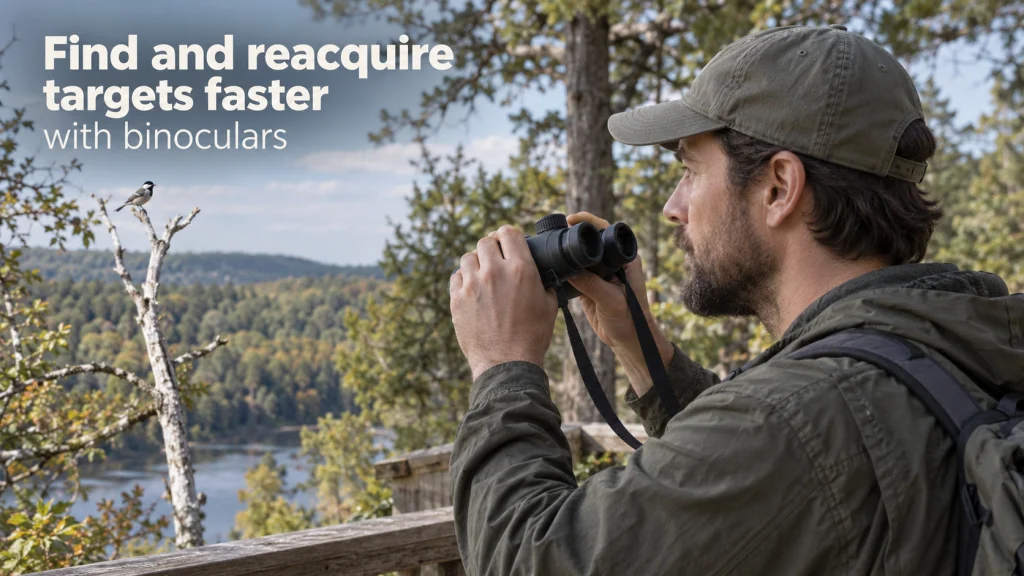
Find and reacquire targets faster with binoculars

How To Find Objects With Binoculars

Finding a subject through binoculars is usually harder than focusing once the subject is already in view. The reliable approach is to locate the subject with your naked eyes, keep your head and gaze aligned with it, raise the binoculars into that same line of sight, and use a nearby landmark when the subject is

Find the hawk first, then magnify it: choosing binoculars for raptor watching

Hawk Watching Binoculars

Binoculars for hawk watching should make it easier to find a moving raptor in a large sky before they help you study finer detail. That puts field of view, fast reacquisition, weight, eye relief, and weather protection ahead of a simple higher magnification equals better rule. An 8x or 10x configuration can both make sense,

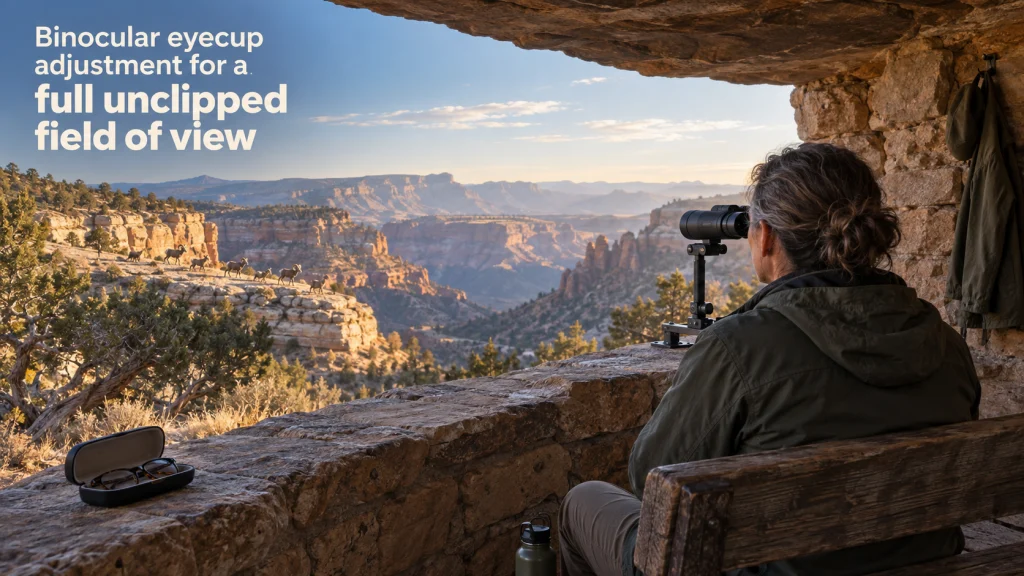
Binocular eyecup adjustment for a full unclipped field of view

Binocular Eyecup Adjustment

Binocular eyecup adjustment is about placing your eyes at a usable distance behind the eyepieces, not changing focus. A good setting lets you see a complete, stable field without black rings, kidney-shaped shadows, or a clipped edge appearing whenever your head moves slightly. Fully extended and fully retracted positions are useful starting points, but twist-up

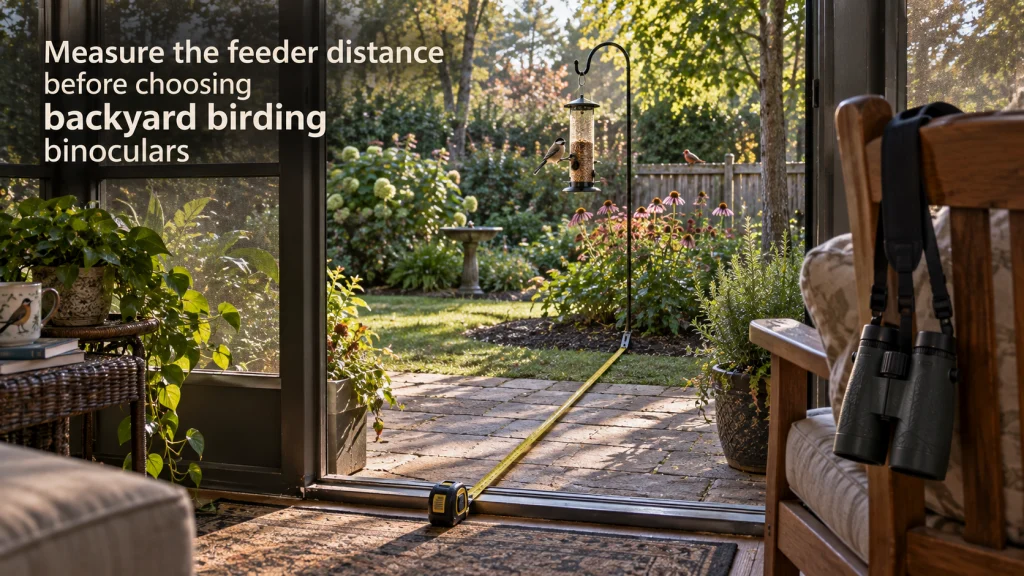
Measure the feeder distance before choosing backyard birding binoculars

Backyard Birding Binoculars

Backyard birding binoculars should be chosen around the shortest bird distance you actually use, not around a generic magnification rule. Measure from your normal viewing position to the nearest feeder, fence, branch, or perch, then reject any binocular whose published close-focus limit is farther away than that distance. After that first pass, field of view,

Eyeglass wearers need a full birding field before they need better specs

Birding Binoculars For Eyeglass Wearers

Birding binoculars for eyeglass wearers should pass one test before optical prestige, price, or magnification gets much attention: you should be able to see the complete usable field while wearing the glasses you actually bird in. Published eye relief helps narrow the field, but it cannot guarantee that a particular eyecup, frame shape, lens position,

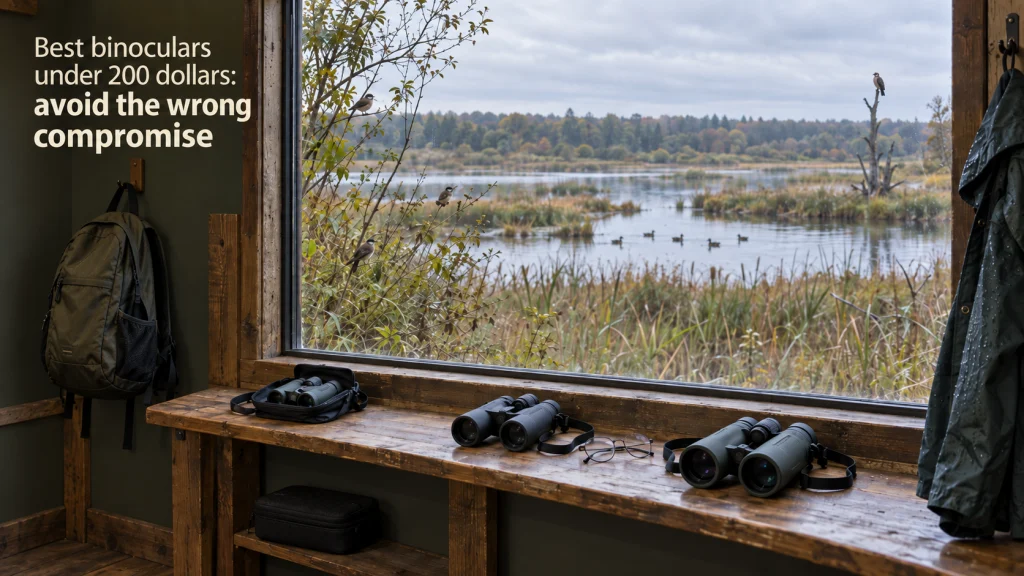
Best binoculars under 200 dollars: avoid the wrong compromise

Best Binoculars Under 200 Dollars

A budget of 200 dollars opens enough credible binocular choices that the bigger risk is choosing the wrong compromise for how you actually observe. Configuration, field of view, eye relief, weather sealing, weight, warranty support, and current pricing all matter more than simply spending as close to the ceiling as possible. Retail pricing can also

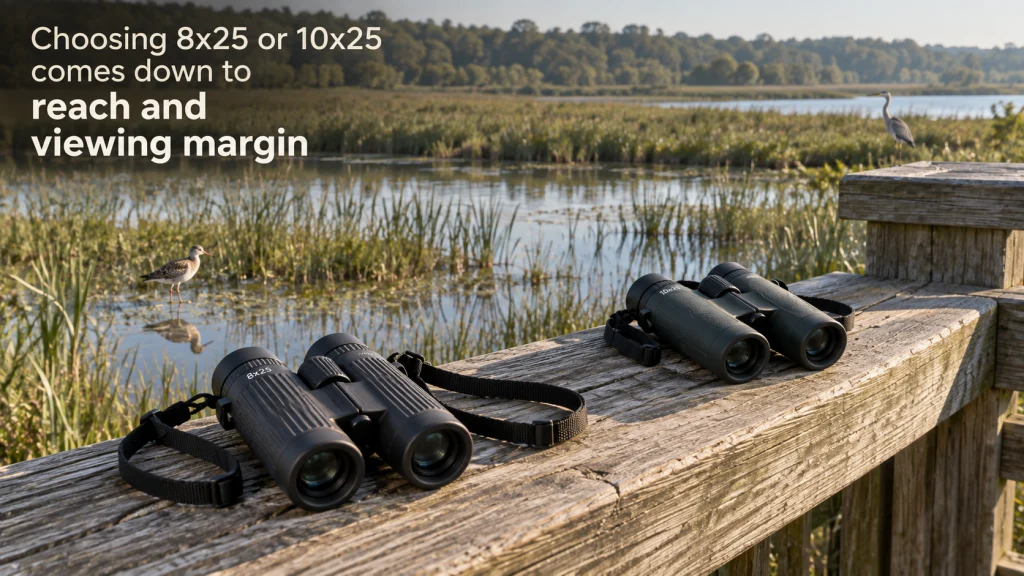
Choosing 8×25 or 10×25 comes down to reach and viewing margin

8X25 Vs 10X25 Binoculars

Choosing between 8×25 and 10×25 binoculars is not a choice between a basic option and a free upgrade. When the objective diameter and body stay compact, 10x gives more image scale, while 8x usually preserves more viewing margin through a wider field and a larger exit pupil. A current same-family comparison makes that trade easier

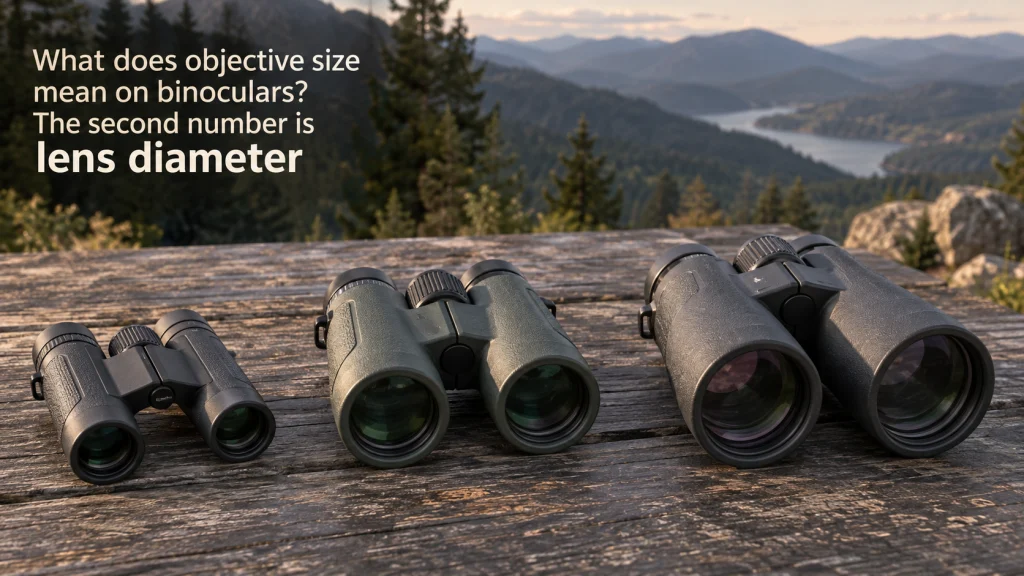
What does objective size mean on binoculars? The second number is lens diameter

What Does Objective Size Mean On Binoculars

The second number in a binocular label such as 10×50 is the effective diameter of the objective lenses in millimeters. A larger objective can collect more light at the same magnification, but it also tends to increase the physical size and weight of the binocular. That number does not tell you how wide the scene

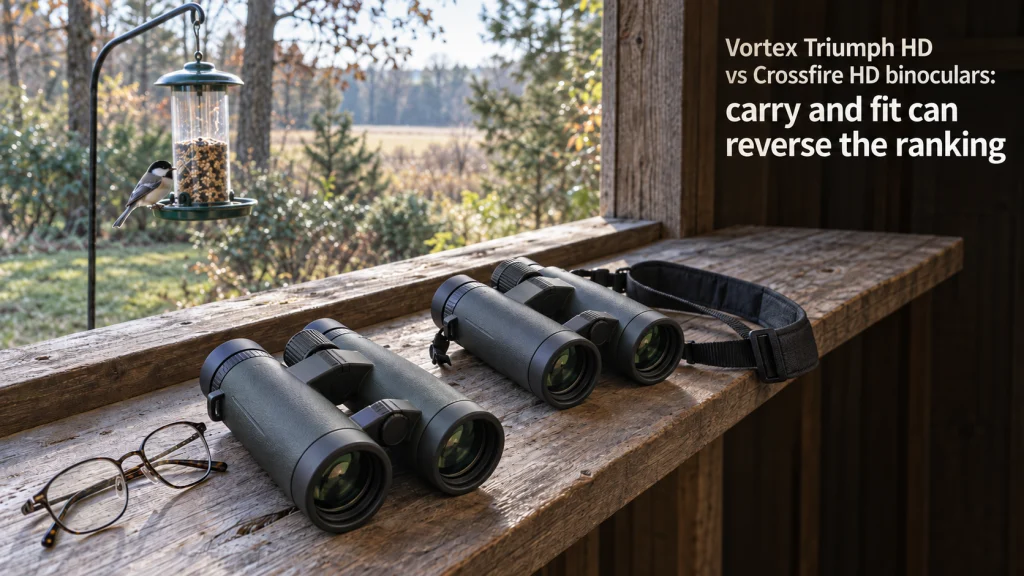
Vortex Triumph HD vs Crossfire HD binoculars: carry and fit can reverse the ranking

Vortex Triumph Hd Vs Crossfire Hd Binoculars

Triumph HD and Crossfire HD do not form a simple lower and higher rung once fit enters the decision. In the matched 10×42 configuration, Triumph HD gives you more published eye relief and a slightly wider field of view, while Crossfire HD focuses much closer and costs more in the retailer comparison checked for this

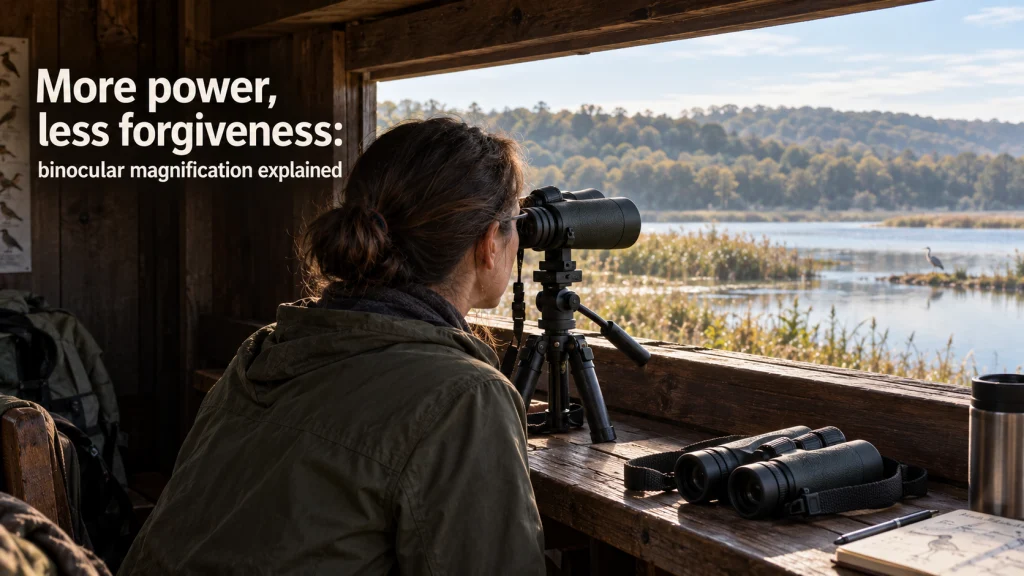
More power, less forgiveness: binocular magnification explained

Binocular Magnification Explained

Magnification tells you how large or apparently close a distant subject looks through binoculars, but the larger number is not automatically the more useful view. Moving from 8x to 10x or 12x increases image scale while also changing how visible hand movement becomes and, in many designs, how much scene fits inside the view. At