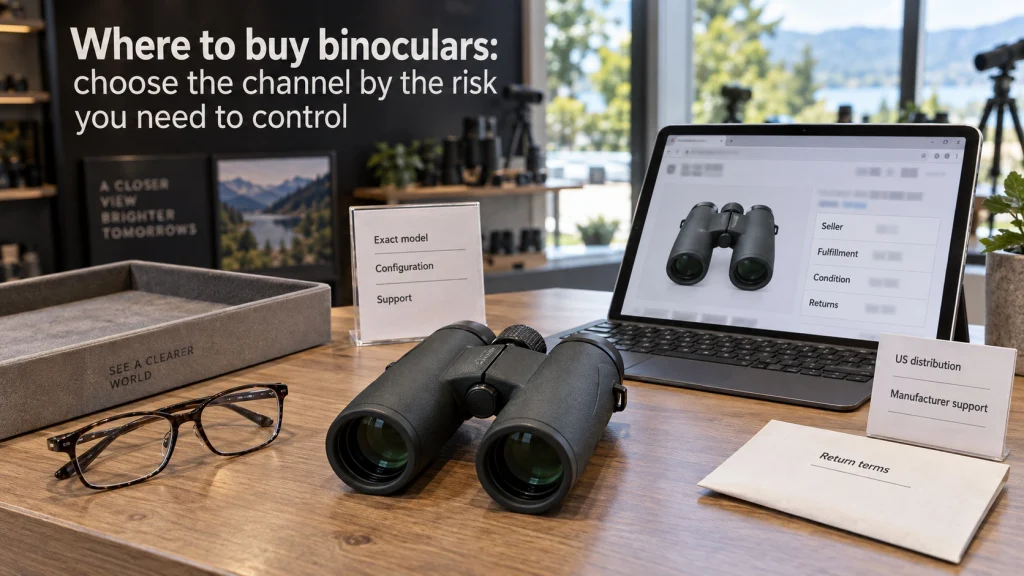
Where to buy binoculars: choose the channel by the risk you need to control
Where To Buy Binoculars

The safest purchase channel is the one that resolves the uncertainty you still have after choosing a binocular. If fit is still unknown, physical access or a real trial path matters more than a small price difference; if fit is already settled, seller identity, returns, region, and support become easier to verify remotely. Marketplaces deserve
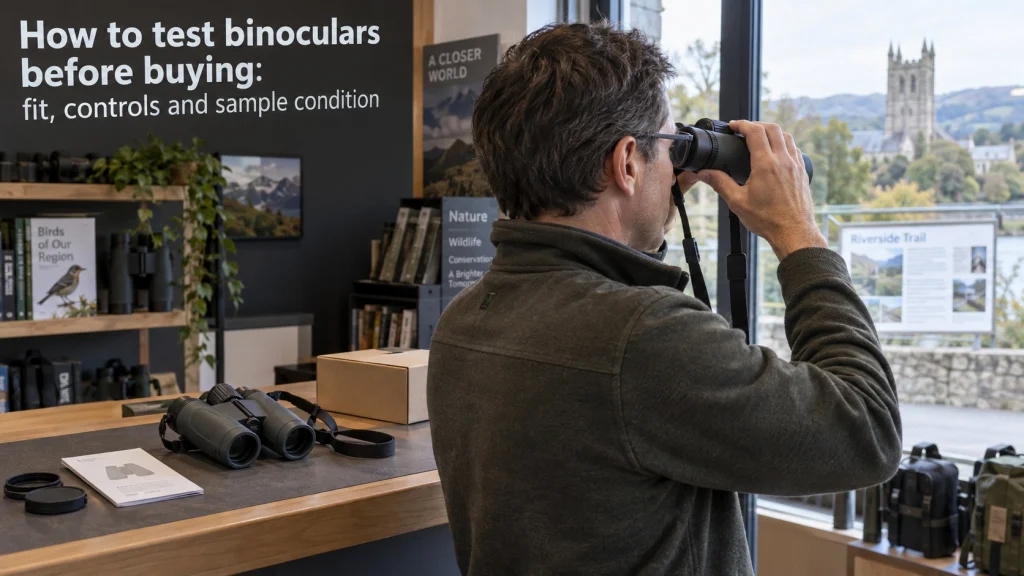
How to test binoculars before buying: fit, controls and sample condition

How To Test Binoculars Before Buying

Two binoculars can look equally suitable on a spec sheet and still produce different buying decisions once you hold them to your face. A useful pre-purchase test checks personal fit, access to the full field, control reach, handling and obvious sample problems without pretending to measure laboratory optical quality. The same basic workflow works in

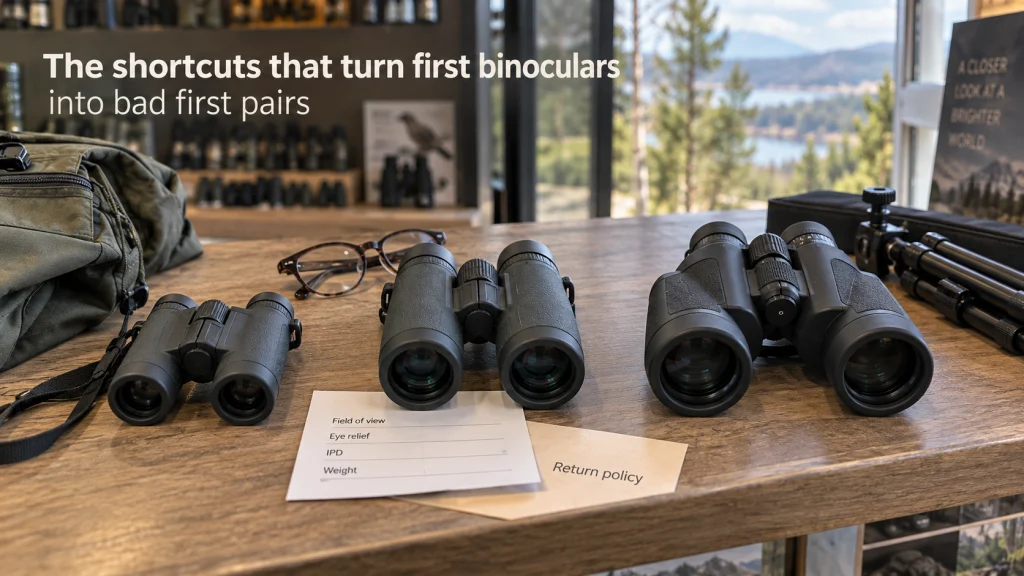
The shortcuts that turn first binoculars into bad first pairs

First Binocular Buying Mistakes

The most damaging first-binocular mistakes usually happen before a buyer compares brands or prices. A pair can look impressive and still be wrong because the buyer optimized magnification, compactness, labels, or budget before defining the viewing job. The safer approach is to turn every attractive claim into a check involving field of view, eye relief,

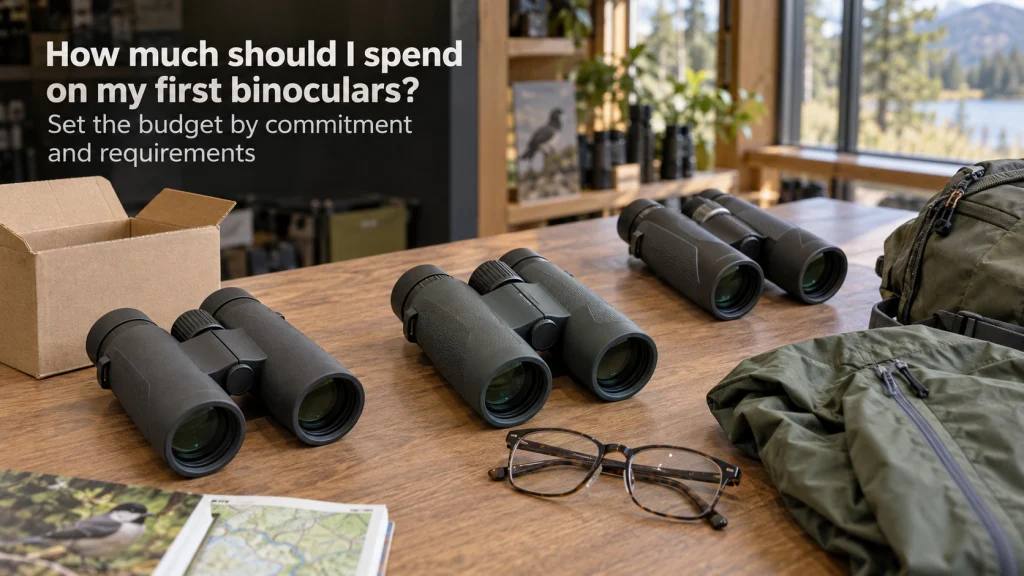
How much should I spend on my first binoculars? Set the budget by commitment and requirements

How Much Should I Spend On My First Binoculars

Your first binocular budget should follow the job the binoculars need to do, how often you expect to use them, and how certain you are about fit. A low-risk trial purchase can justify a lower ceiling, while a pair meant for frequent outdoor use may justify more spending on weather protection, handling, eye relief, and

Your first binoculars need a simple decision, not a giant shortlist

First Binoculars

Your first binoculars should solve a viewing job before they solve a shopping list. Start with where you will use them, how much you will carry them, whether glasses or hand fit change the setup, and how much magnification you can use comfortably. A conventional compact or full-size binocular often makes a better first decision

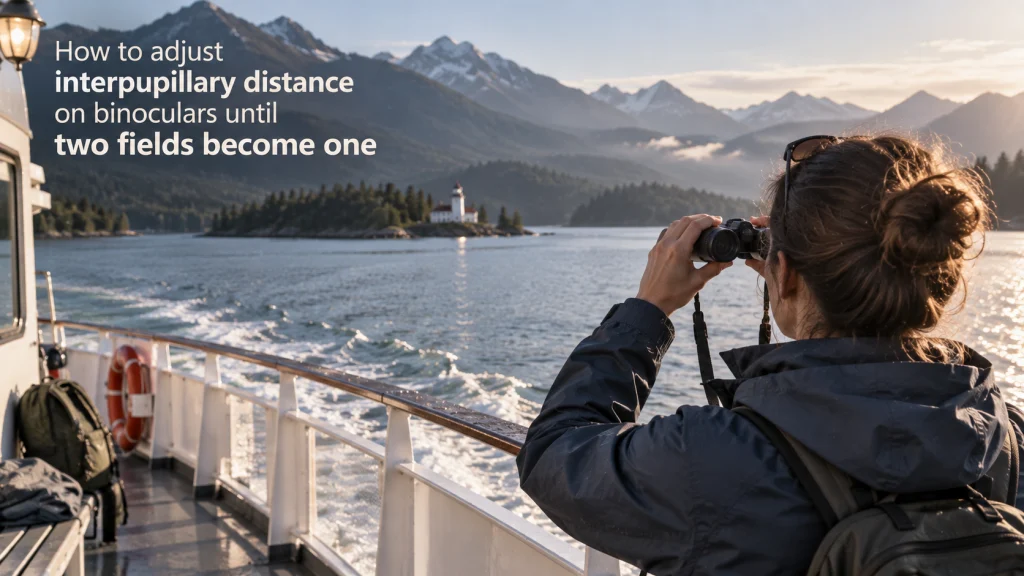
How to adjust interpupillary distance on binoculars until two fields become one

How To Adjust Interpupillary Distance On Binoculars

Interpupillary distance controls how far apart the two eyepieces sit relative to your eyes, and the useful setup goal is simple: both optical fields should overlap into one clean circular view. If you still see two circles, crescent shadows, or uneven black edges, adjust barrel spacing before blaming focus or internal alignment. Eyecup position can

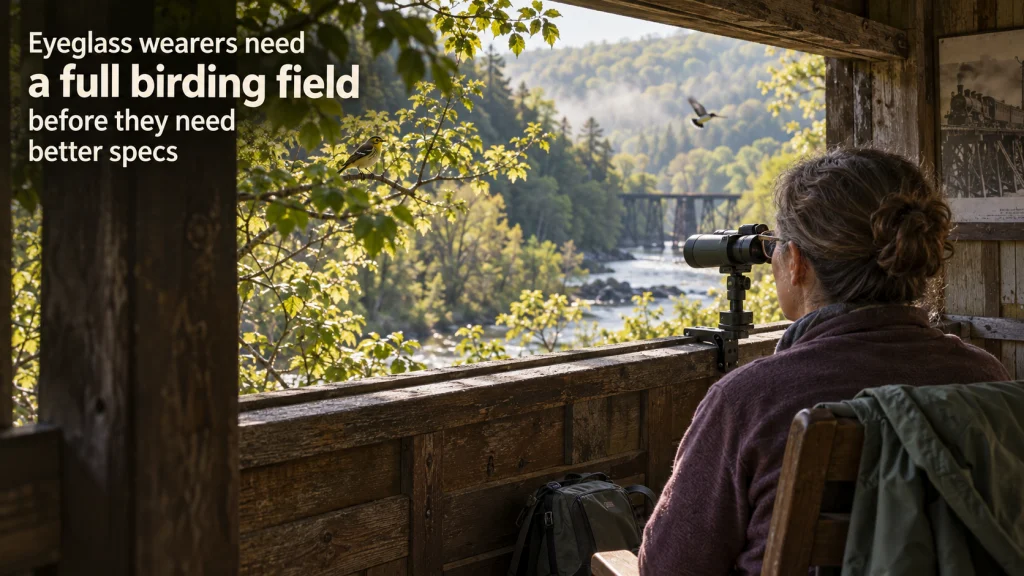
Eyeglass wearers need a full birding field before they need better specs

Birding Binoculars For Eyeglass Wearers

Birding binoculars for eyeglass wearers should pass one test before optical prestige, price, or magnification gets much attention: you should be able to see the complete usable field while wearing the glasses you actually bird in. Published eye relief helps narrow the field, but it cannot guarantee that a particular eyecup, frame shape, lens position,

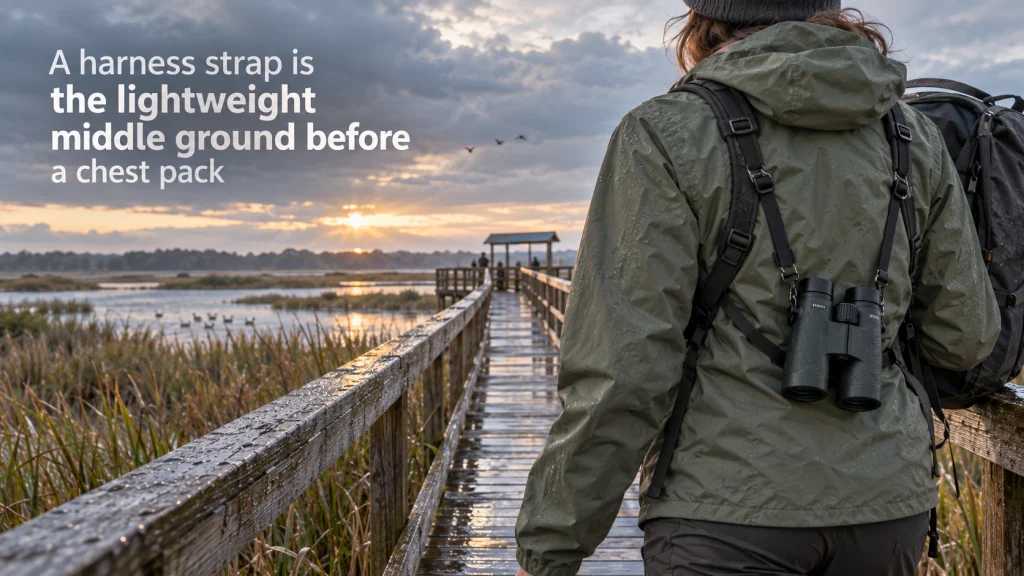
A harness strap is the lightweight middle ground before a chest pack

Binocular Harness Strap

An open binocular harness strap is the low-bulk option between a neck strap and an enclosed chest pack. It spreads the carry path across the shoulders and upper torso while leaving the binocular exposed, so attachment geometry, adjustment range, and strap behavior matter more than the word “harness” on the package. Elastic can keep the

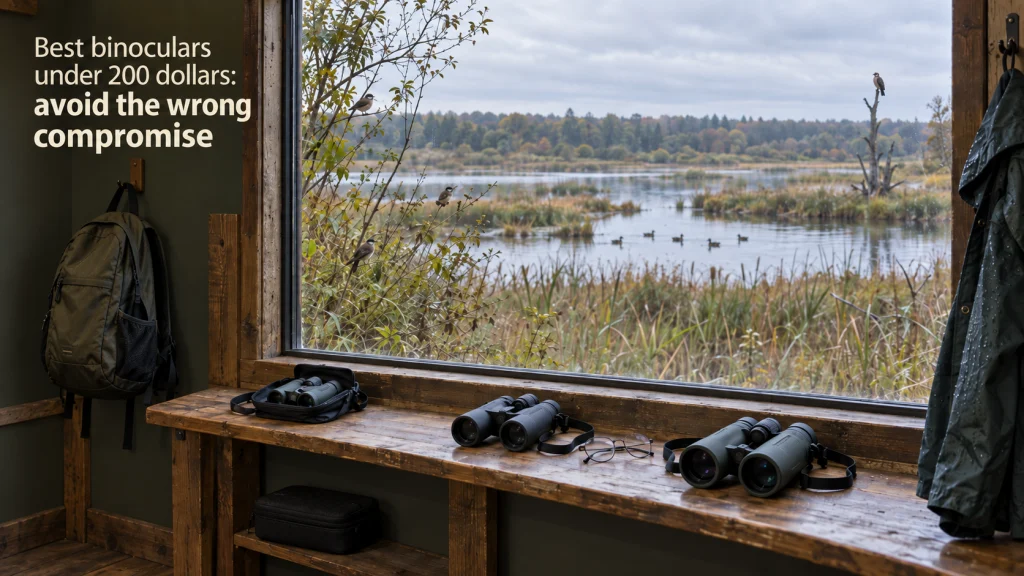
Best binoculars under 200 dollars: avoid the wrong compromise

Best Binoculars Under 200 Dollars

A budget of 200 dollars opens enough credible binocular choices that the bigger risk is choosing the wrong compromise for how you actually observe. Configuration, field of view, eye relief, weather sealing, weight, warranty support, and current pricing all matter more than simply spending as close to the ceiling as possible. Retail pricing can also

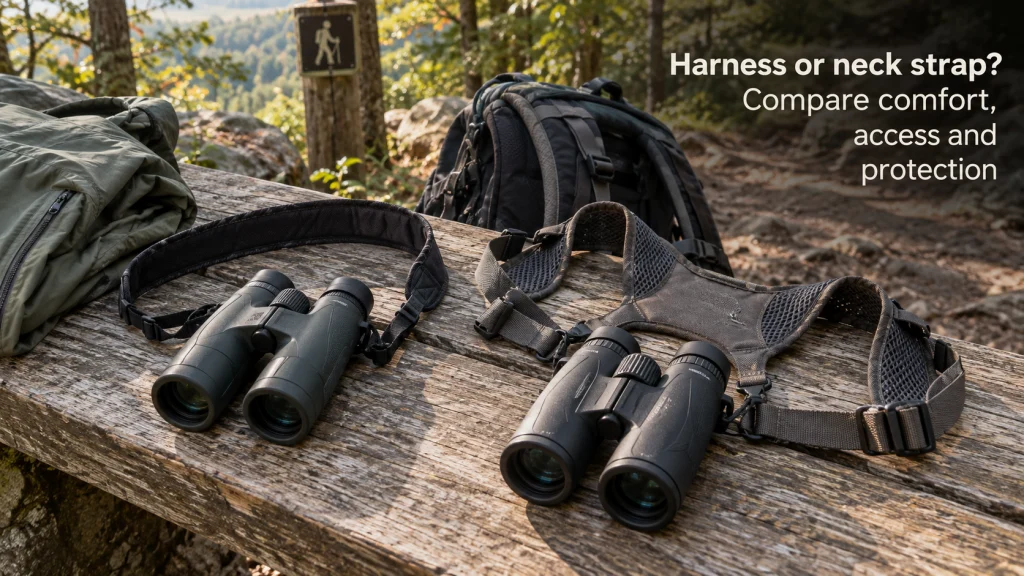
Harness or neck strap? Compare comfort, access and protection

Binocular Harness Vs Neck Strap

A binocular harness vs neck strap decision is less about finding a universal upgrade and more about deciding which carry tradeoffs fit the way you actually use your binoculars. A harness can spread the load across more of the upper body and limit some free swinging, while a neck strap stays simpler to put on,

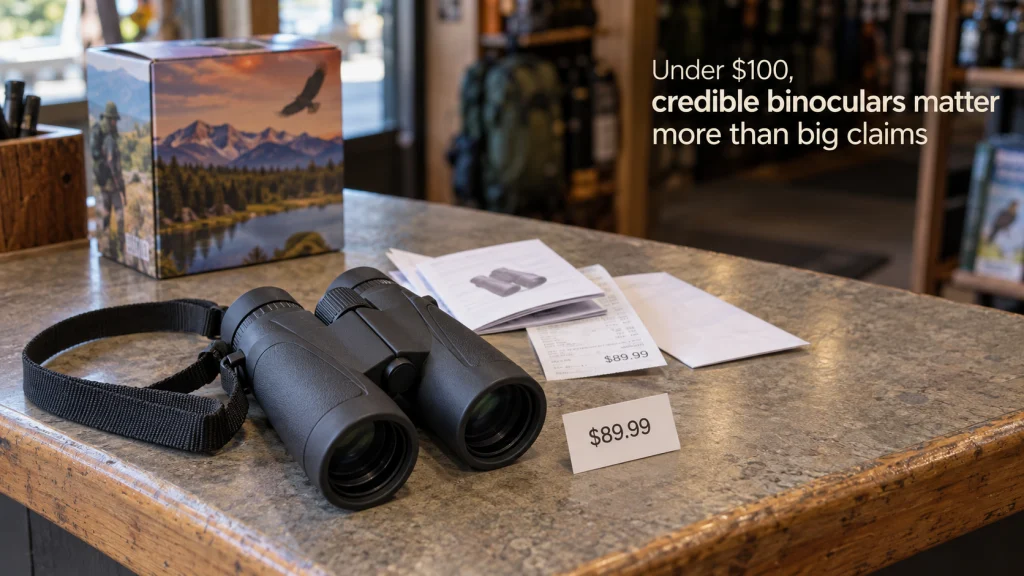
Under $100, credible binoculars matter more than big claims

Binoculars Under 100 Dollars

Binoculars under 100 dollars can be useful, but the price ceiling is a shopping filter rather than a quality label. The strongest current candidates combine a verifiable manufacturer identity, coherent specifications, a usable configuration, and a support path that can be checked before purchase. Sale pricing can pull an otherwise more expensive binocular below the

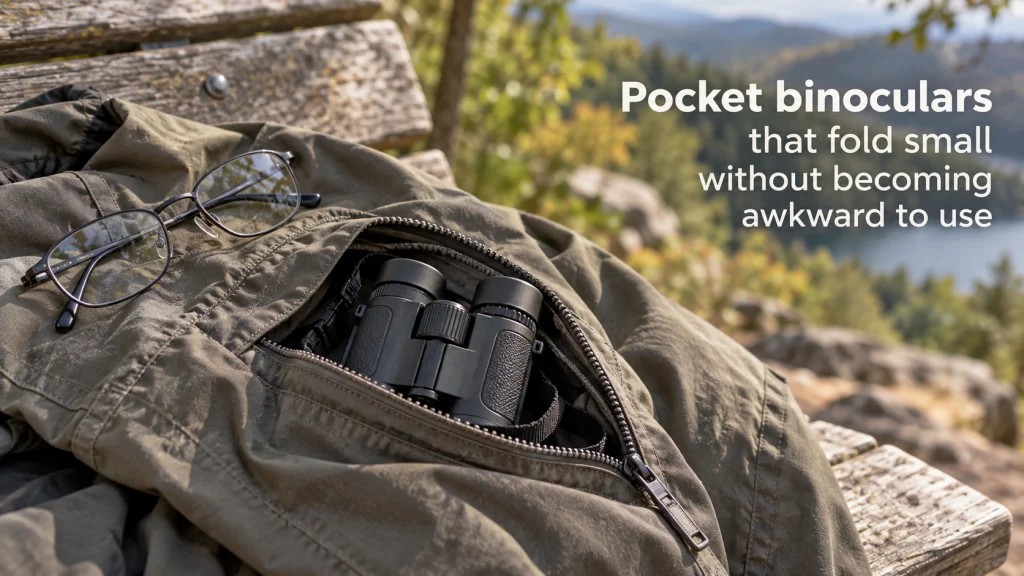
Pocket binoculars that fold small without becoming awkward to use

Pocket Binoculars

Pocket binoculars are genuinely useful only when their folded shape fits the space you plan to carry them in and their controls still work for your face and hands. Two 8×25 binoculars can share the same objective size while folding to different shapes, using different hinge layouts, and demanding different setup steps before the view