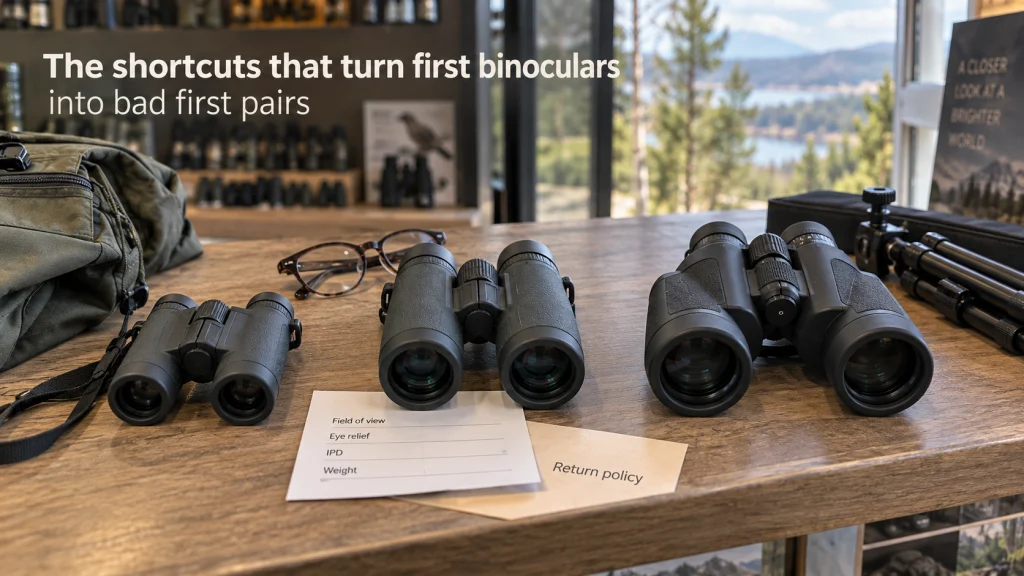
The shortcuts that turn first binoculars into bad first pairs
First Binocular Buying Mistakes

The most damaging first-binocular mistakes usually happen before a buyer compares brands or prices. A pair can look impressive and still be wrong because the buyer optimized magnification, compactness, labels, or budget before defining the viewing job. The safer approach is to turn every attractive claim into a check involving field of view, eye relief,
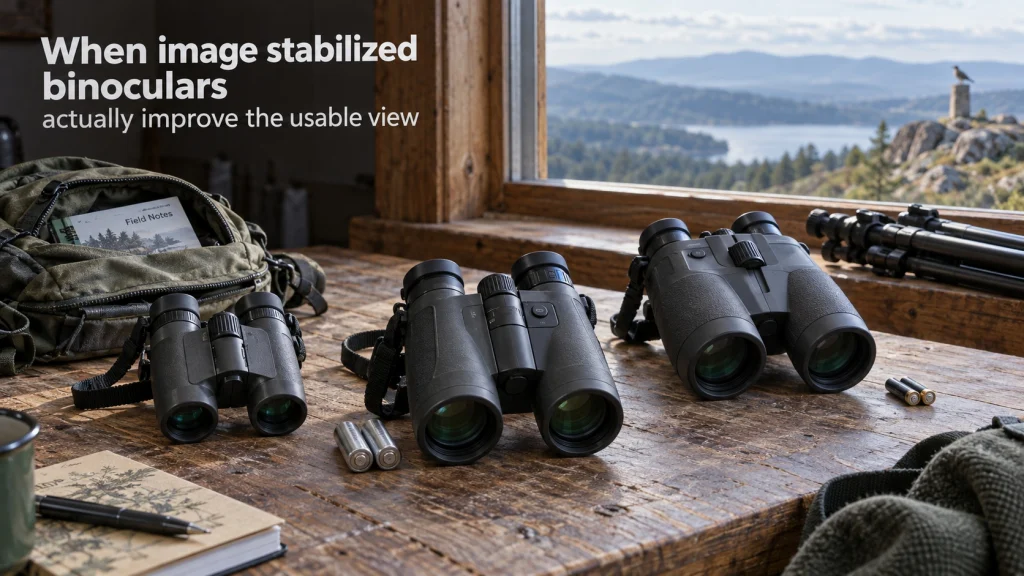
When image stabilized binoculars actually improve the usable view

Image Stabilized Binoculars

Image stabilized binoculars can make handheld motion less limiting, but the label does not tell you how a specific model will behave. Current designs differ in stabilization architecture, correction range, magnification, power, sealing, eye relief, weight, and support options. The useful question is whether a particular system removes enough motion from your viewing problem to

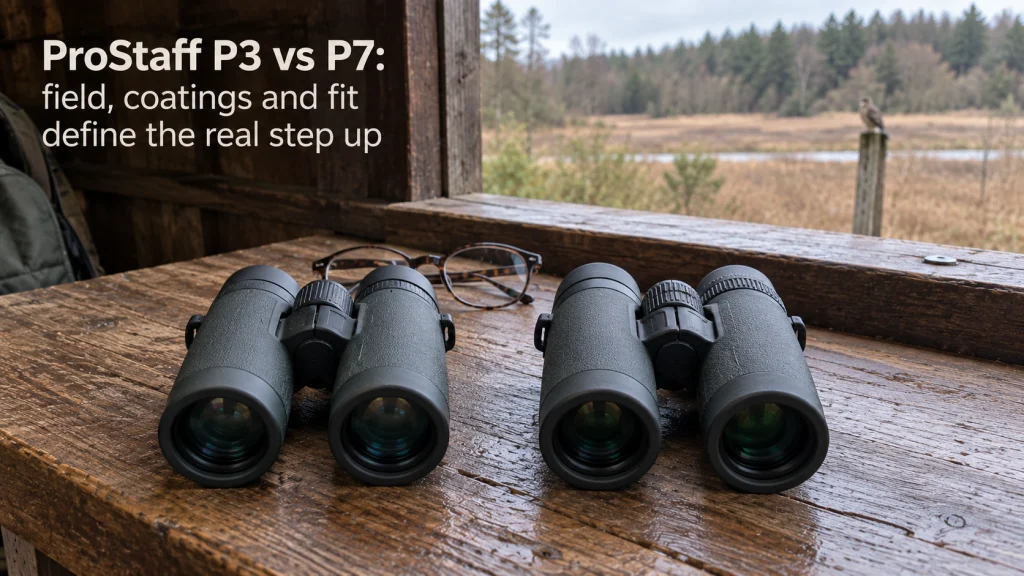
ProStaff P3 vs P7: field, coatings and fit define the real step up

Nikon Prostaff P3 Vs P7 Binoculars

ProStaff P3 and ProStaff P7 overlap far more than their model numbers suggest. In the current 10×42 specifications, Nikon lists the same magnification, objective size, field of view, eye relief, close focus, and body dimensions for both, so the P7 upgrade case cannot honestly be built on a wider view or easier eyeglass fit. The

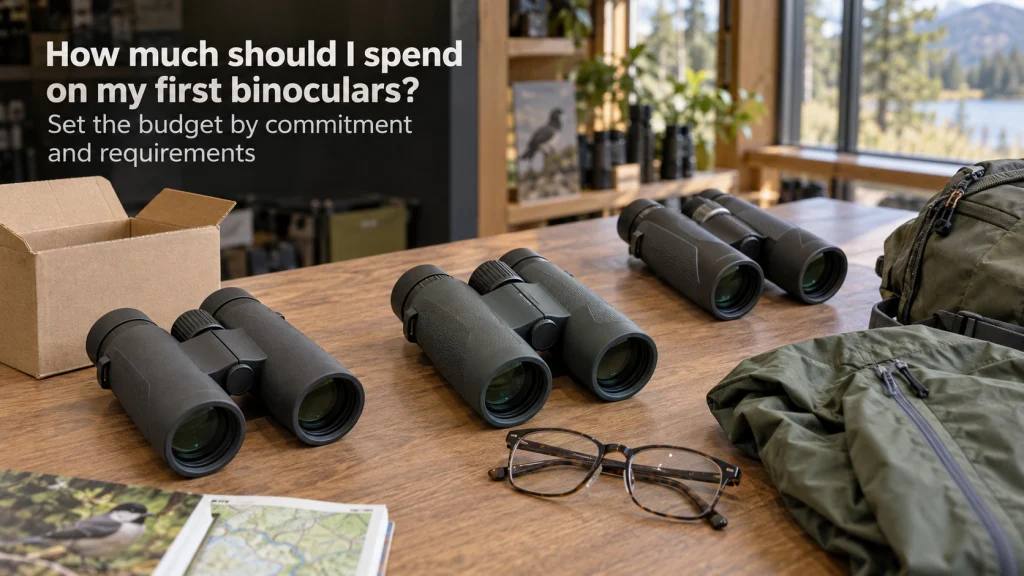
How much should I spend on my first binoculars? Set the budget by commitment and requirements

How Much Should I Spend On My First Binoculars

Your first binocular budget should follow the job the binoculars need to do, how often you expect to use them, and how certain you are about fit. A low-risk trial purchase can justify a lower ceiling, while a pair meant for frequent outdoor use may justify more spending on weather protection, handling, eye relief, and

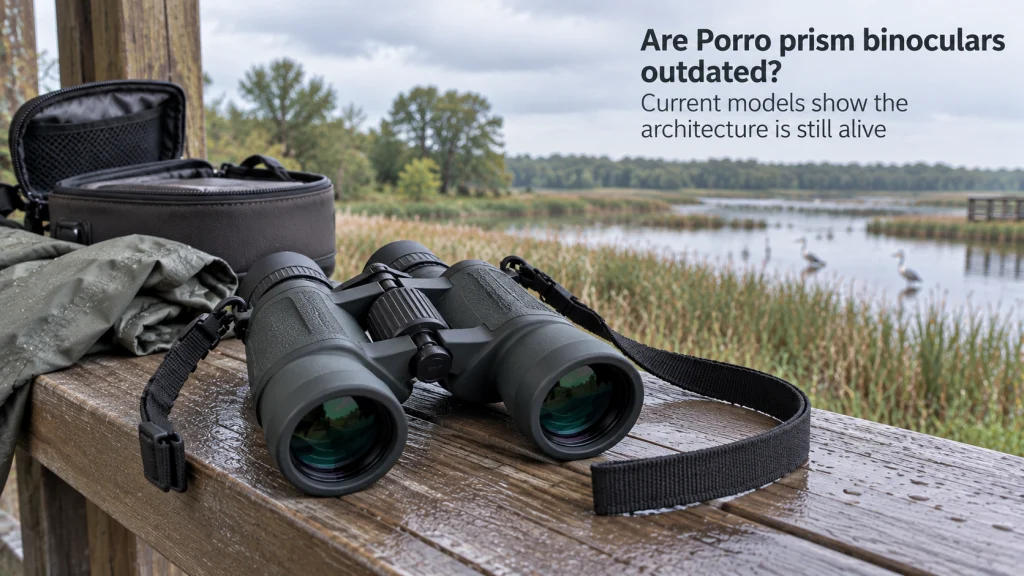
Are Porro prism binoculars outdated? Current models show the architecture is still alive

Are Porro Prism Binoculars Outdated

Porro prism binoculars are not obsolete simply because roof-prism models now occupy more of the premium and compact shelf space. Current manufacturer lineups still use the architecture in newly developed general-purpose models, waterproof designs, and specialized large binoculars. The practical question is not whether the prism layout looks old, but whether the finished binocular fits

Your first binoculars need a simple decision, not a giant shortlist

First Binoculars

Your first binoculars should solve a viewing job before they solve a shopping list. Start with where you will use them, how much you will carry them, whether glasses or hand fit change the setup, and how much magnification you can use comfortably. A conventional compact or full-size binocular often makes a better first decision

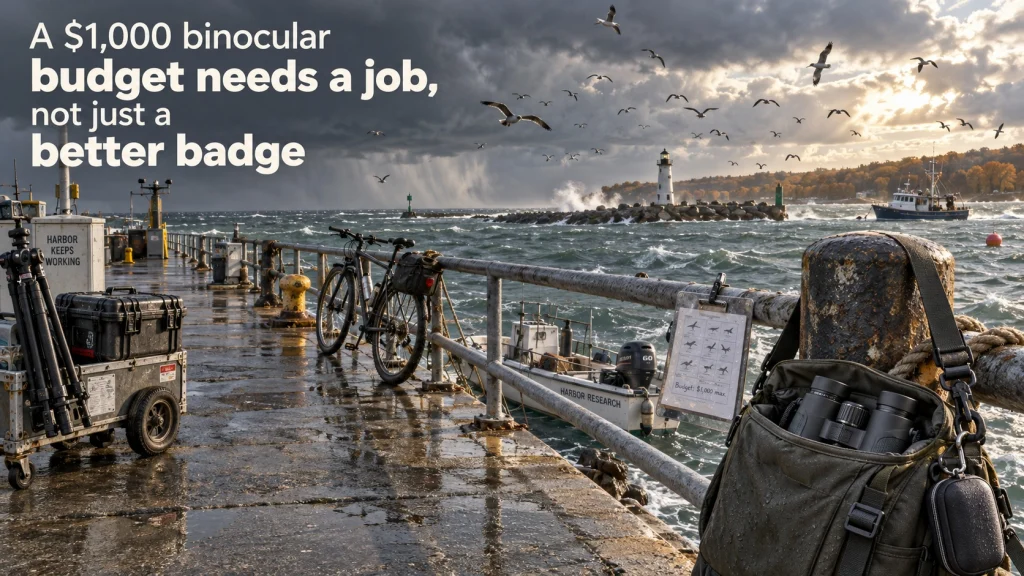
A $1,000 binocular budget needs a job, not just a better badge

Best Binoculars Under 1000 Dollars

A $1,000 ceiling gives you access to many serious binoculars, but it does not make the most expensive eligible option the right one. The useful question is whether a higher-priced choice fixes a real limitation in field of view, eye relief, weight, handling, optical design, or another part of the viewing job. Start with the

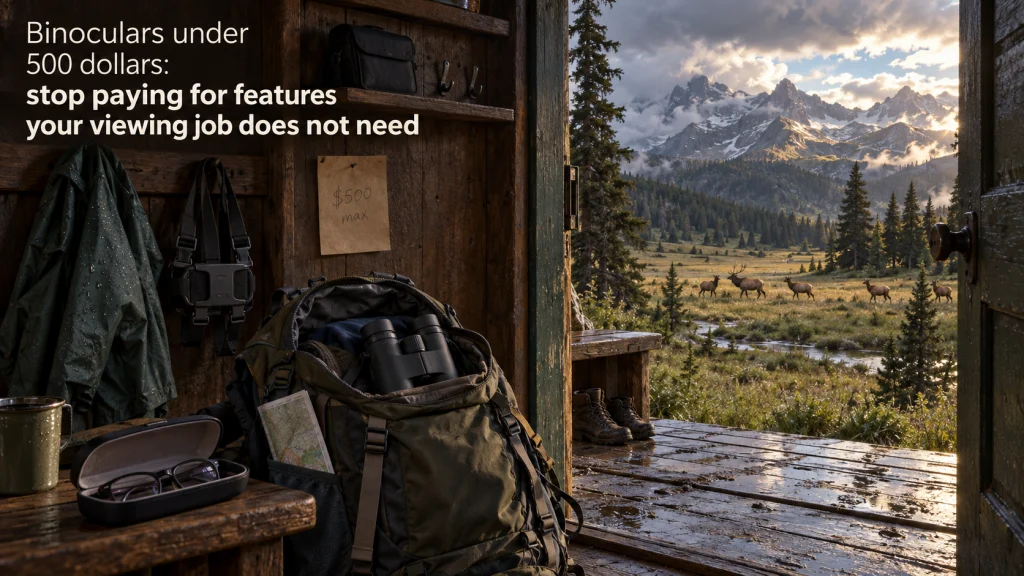
Binoculars under 500 dollars: stop paying for features your viewing job does not need

Binoculars Under 500 Dollars

Shopping for binoculars under 500 dollars gives you enough budget to choose among many genuinely different designs, but that does not make the highest eligible price the smartest target. The useful question is which configuration fits your viewing distance, light, movement, carrying needs, eyeglasses, and time behind the eyepieces. Optical refinements such as ED glass

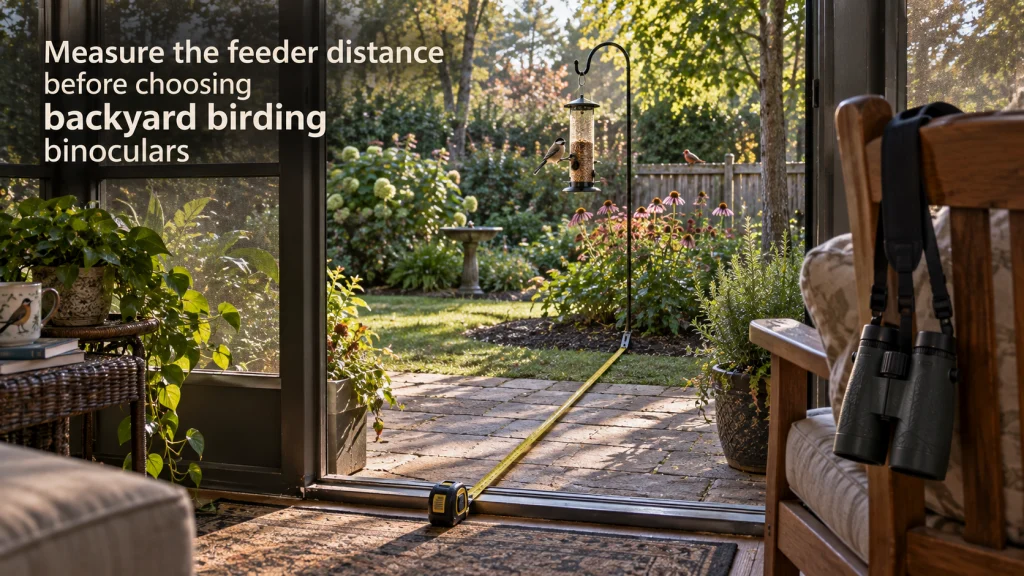
Measure the feeder distance before choosing backyard birding binoculars

Backyard Birding Binoculars

Backyard birding binoculars should be chosen around the shortest bird distance you actually use, not around a generic magnification rule. Measure from your normal viewing position to the nearest feeder, fence, branch, or perch, then reject any binocular whose published close-focus limit is farther away than that distance. After that first pass, field of view,

At $300, spend the extra money on a limitation you can actually notice

Best Binoculars Under 300 Dollars

The best binoculars under 300 dollars are not automatically the ones closest to the spending ceiling. Current U.S. inventory includes credible full-size, compact, and higher-power choices, so the useful upgrade is the one that fixes a limitation you can actually notice in field of view, eye relief, weight, sealing, or optical design. Treat price as

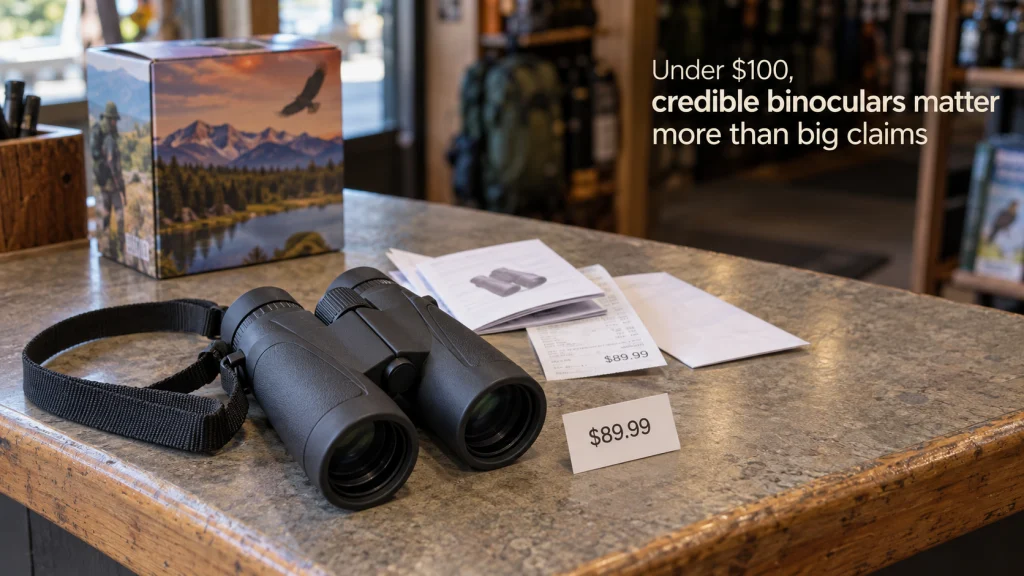
Under $100, credible binoculars matter more than big claims

Binoculars Under 100 Dollars

Binoculars under 100 dollars can be useful, but the price ceiling is a shopping filter rather than a quality label. The strongest current candidates combine a verifiable manufacturer identity, coherent specifications, a usable configuration, and a support path that can be checked before purchase. Sale pricing can pull an otherwise more expensive binocular below the

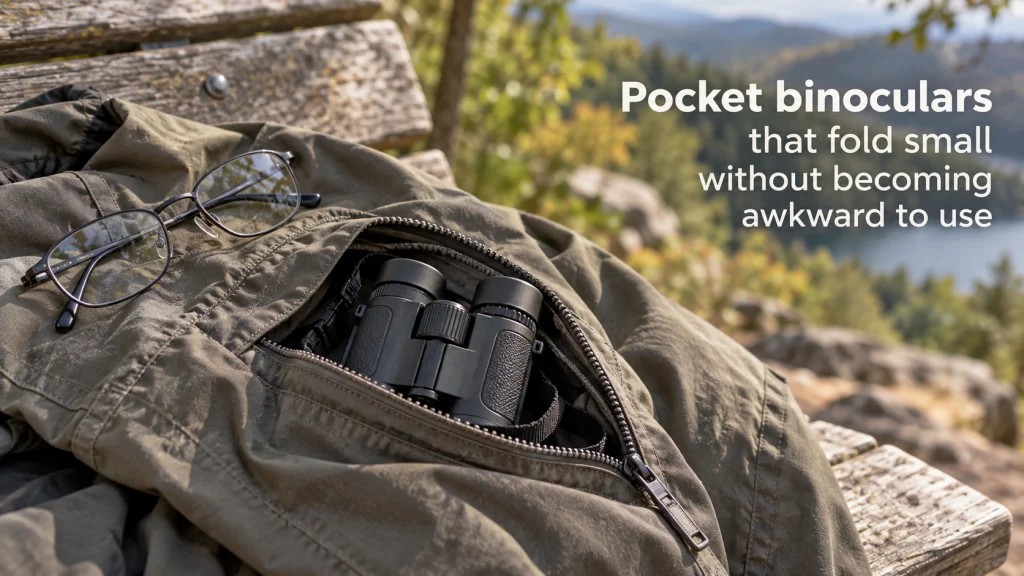
Pocket binoculars that fold small without becoming awkward to use

Pocket Binoculars

Pocket binoculars are genuinely useful only when their folded shape fits the space you plan to carry them in and their controls still work for your face and hands. Two 8×25 binoculars can share the same objective size while folding to different shapes, using different hinge layouts, and demanding different setup steps before the view